
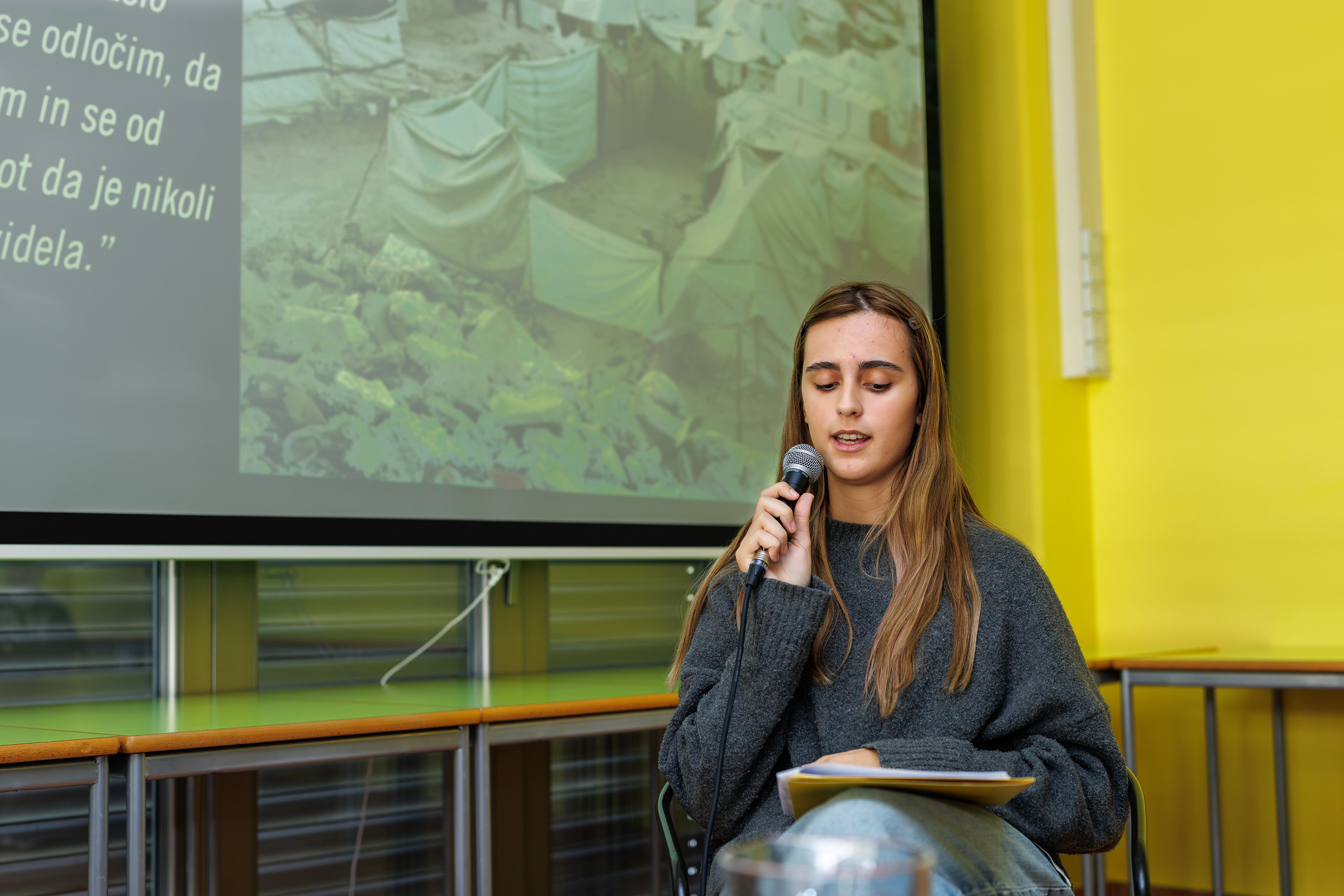
“In a gentle way, you can shake the world.” – Mahatma Gandhi
Exactly three years ago, I walked through the doors of Slovenska filantropija Maribor, hoping to improve my Slovene language skills while helping children with an immigrant background with their schoolwork. However, after years of consistent work, what I found there was much more than an opportunity to practice a language. I found friendships, a community, and a cause I wanted to continue working for.
I had moved to Slovenia to continue my education, which resulted in entering an unfamiliar environment. Consequently, the feeling of isolation was often present. However, instead of accepting that distance, I began building connections- first in Maribor, and eventually across borders, from Slovenia to India- around one shared belief: no person should disappear inside a system.
Not because they do not speak the language. Not because their difficulties seem invisible to others. And not because of their cultural differences.
We believe that every person deserves to be visible, heard, and included.
That belief has shaped our approach around three things: art, education, and dialogue.
Why these three?
Art gives people a way to express experiences that can sometimes be difficult to put into words.
Education creates understanding and challenges assumptions.
And dialogue allows children from different backgrounds to actually encounter one another, rather than simply having ideas about one another.
My volunteering began at Slovenska Filantropija during my first year of secondary school. I initially provided academic support, helping children with their homework and tring to make school a more welcoming environment for those for whom Slovene was not their first language. In fact, I originally joined because I wanted to improve my own Slovene. Helping children with homework in a language that was not my mother tongue may have seemed unconventional, but over time, my language skills improved significantly.
More importantly, however, I stayed because I realised how much even a small amount of time can mean to someone else.
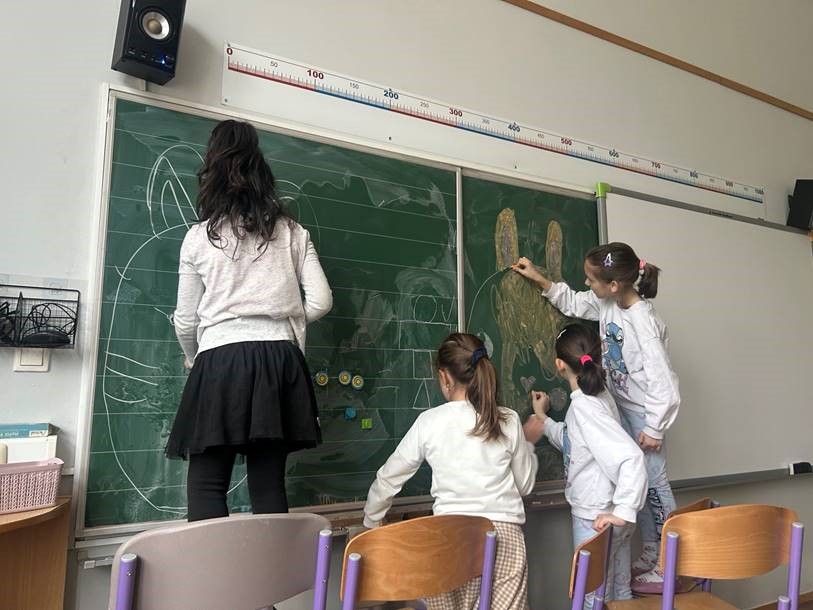
After a year, I decided to continue the work through a different approach. Instead of focusing primarily on individual academic support, I began organising art workshops where culturally diverse groups of children could come together every few weeks, paint, create, and express themselves through different forms of art.
This became an extension of what I had learned at Slovenska filantropija: no child should feel that they have to hide their cultural identity in order to belong. Children should have spaces where integration feels natural and familiar rather than forced; spaces where differences are not something to overcome, but something that can be shared.
These ideas eventually led me to continue workshops in primary schools. Later, after meeting my friend Sarthak, the same approach expanded beyond Slovenia. Despite growing up in different contexts, Sarthak and I arrived at a similar question: How can we use what we already have- culture, creativity, and education- to create more inclusive communities?
And this is how an initiative that began in the spaces of Slovenska filantropija grew into BetterTGT. Because BetterTGT is an India-Slovenia initiative, Indian philosophy has also became an important part of how we think about our work. Gandhi’s idea that “in a gentle way, you can shake the world” reflects something central to our approach: meaningful change can also begin with a small group of people creating a space where children can meet, create, and feel that they belong. We do not see impact as something that must always be measured in volume, wealth, or authority. Sometimes, it is found in everyday actions; in a workshop, a conversation, a drawing, or a friendship. Small, community-rooted efforts can create connections that extend beyond geographical, cultural, and political boundaries.
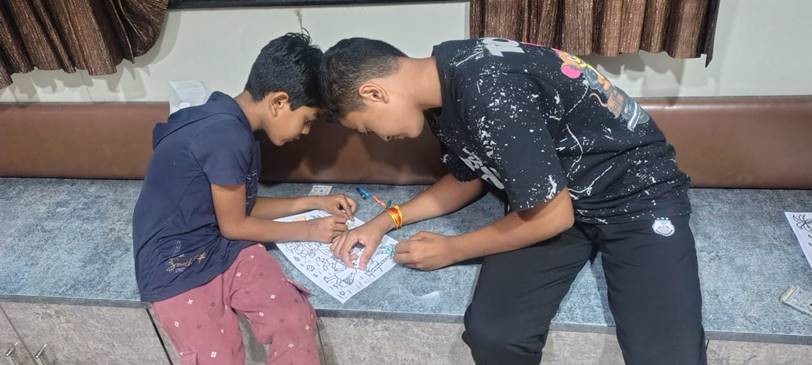
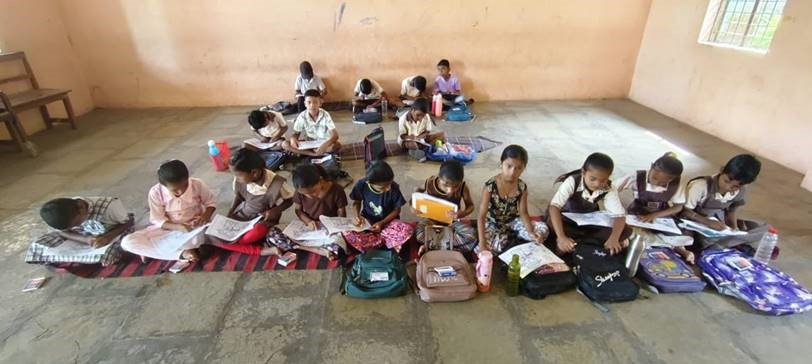
Today, BetterTGT operates in both Slovenia, bringing the same community-based approach into different local contexts. In Slovenia, our activities have expanded across primary schools in and around Maribor. In India, workshops, have been organized in Akola, including in the Taar File neighbourhood, bringing together children from different religious and cultural communities through collaborative creative activities. This work was also featured by The Hitavada, highlighting the initiative’s community impact.
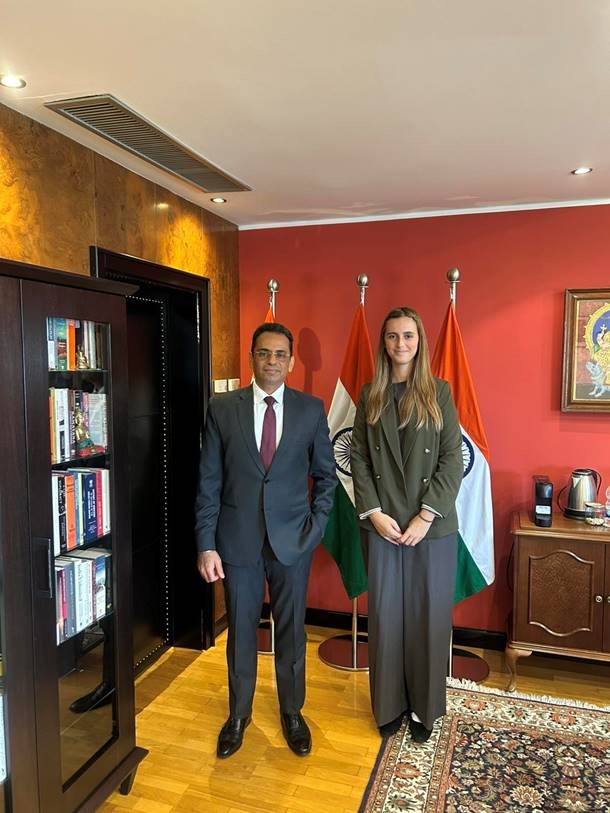
Beyond the workshops themselves, BetterTGT has become a growing network of people connected by a shared belief in inclusion, dialogue, and the impact young people can have united together. Our efforts to strengthen India-Slovenia youth and cultural collaboration have also been recognised by the Embassy of India in Slovenia. Yet, despite everything BetterTGT has become and continues to become, its beginning remains very simple. It all began with me watching a presentation about volunteering opportunities at II. gimnazija, and contacting our mentors at Slovenska filantropija.
Looking back, I realise that the most important thing I gained from those first experiences there was understanding that we are not as powerless as we sometimes feel when looking at the problems around us.
Sometimes, even one hour of your time can mean much more than you initially imagine. More importantly, it can challenge prejudice and ignorance, while broadening your understanding of the world, and creating relationships that last far beyond the original act of volunteering. For me, the greatest motivation to keep returning to Slovenska filantropija has always been the people themselves. No matter how difficult a day at school may have been, walking into a workshop, seeing the drawings we created together, hearing music, and seeing people smile could completely change the atmosphere of the day.
Those relationships are what made me come back. And they are also what eventually carried the work from Maribor to Akola.
